Picking the right dropshipping niche is key to your store’s success. With so many products and sellers out there, focusing on a specific audience helps you stand out, attract buyers who want what you offer, and grow your store without racing to the bottom on price.
Before you start adding products to your store, it helps to know what a dropshipping niche is and why it matters. In this guide, you’ll learn the basics, see the best dropshipping niches for 2026, and get simple steps to pick a profitable niche and start selling faster.
What are dropshipping niches?
A dropshipping niche is a focused segment of a larger market that targets a specific audience with a defined set of products. Instead of selling a wide variety of unrelated items, niche stores serve customers with shared interests, needs, or lifestyles.
For example, you could focus on pet products for dog owners, baby essentials for new parents, or beauty tools for skincare lovers. This makes it easier to connect with your audience, build trust, and stand out — even in a crowded market.
Understanding what a niche is lays the foundation, but choosing the right niche helps determine how profitable your store can become.
Why choosing the right dropshipping niche matters
Not every dropshipping niche is a good fit. The niche you pick affects your costs, growth, and how easy it is to scale. Here’s what to look for:
Consistent demand supports long-term growth
A strong niche has steady demand year-round, not just short-lived trends. Markets like pet care, baby products, and beauty continue to grow year over year, signaling sustained consumer demand rather than temporary hype.
Consistent demand makes it easier to plan promotions, forecast sales, and avoid sharp revenue drops when trends fade.
Healthy margins create room to scale
Dropshipping works best when you can price products higher without just competing on cost. Beauty tools, wellness products, and tech accessories often let you charge more because customers care about results and trust your brand.
Higher margins give you more flexibility to invest in ads, content, and long-term growth.
Repeat purchases increase customer lifetime value
The best dropshipping niches get customers to buy again and again. Skincare is a great example, with most sales coming from repeat purchases. Repeat buyers mean you don’t have to find new customers all the time, making your store more stable and easier to grow.
Clear positioning improves conversion rates
When people know right away who your store is for and what you offer, they’re more likely to trust you and buy. Clear niche positioning makes your messaging, product choices, and marketing much simpler, so you get more sales with less work.
Once you understand why niche selection matters, the next step is identifying which niches offer the strongest opportunities right now.
Best dropshipping niches for 2026
Based on current e-commerce trends and consumer buying behavior, the seven dropshipping niches below show strong profit potential, especially when paired with reliable sourcing and fast fulfillment.
1. Pet products
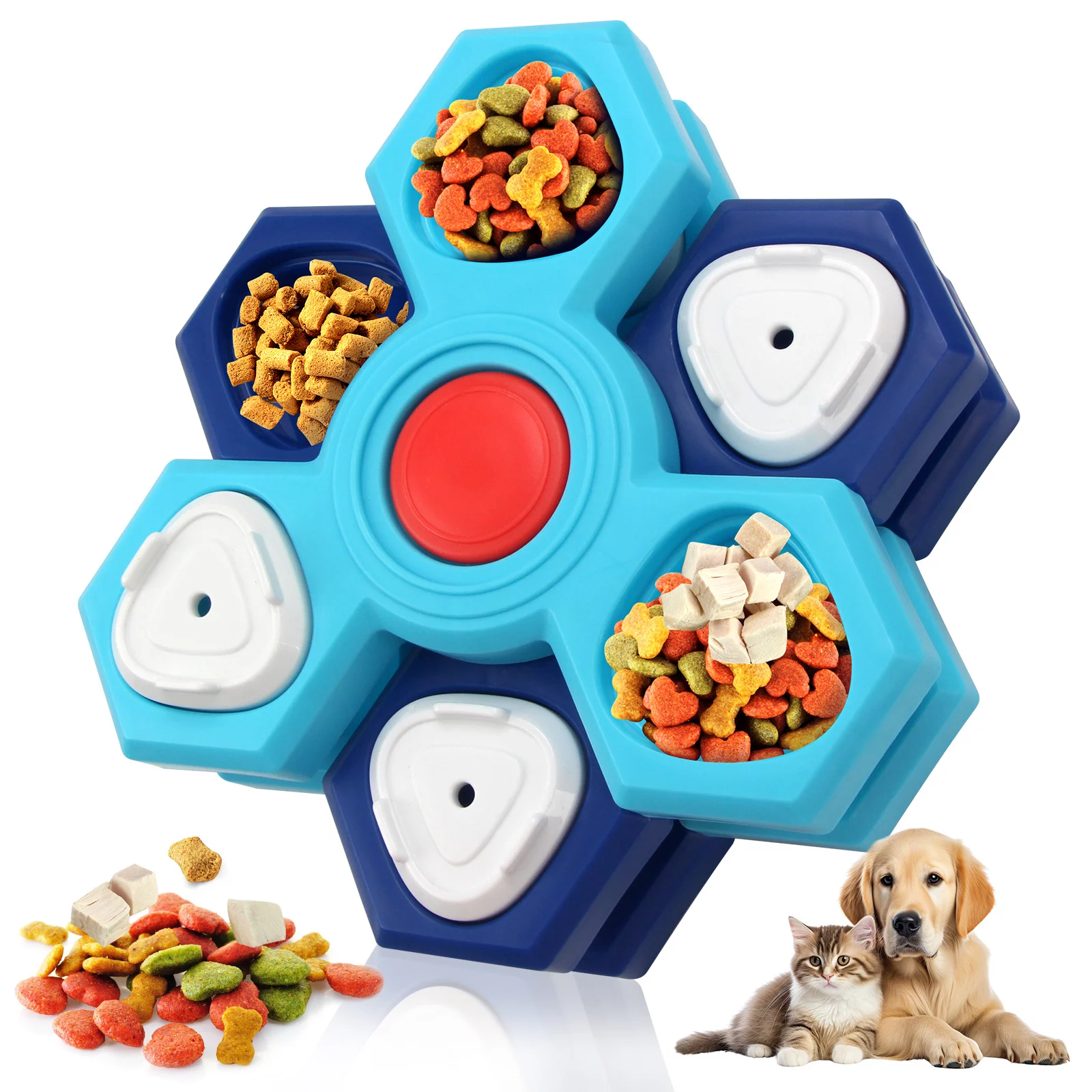
Pet products are one of the most reliable dropshipping niches. The global pet care market was valued at $226.9 billion in 2023 and is projected to reach $340.7 billion by 2029, driven by owners investing more in comfort, wellness, and convenience for their pets.
Top pet supplies include enrichment toys, grooming tools, feeding accessories, and wellness items. These are lightweight, easy to ship, and customers buy them often.
2. Beauty products
Beauty is one of the largest e-commerce categories worldwide. In fact, the beauty and personal care products market is expected to reach $692.49 billion in 2029, fueled by skincare routines, trends, and repeat purchases.
Beauty is competitive, but you can win by focusing on specific beauty products like skincare tools, at-home beauty devices, or natural products.
3. Baby products
Baby products benefit from constant demand as new parents enter the market every year. The global baby products market generates hundreds of billions of dollars annually and continues to grow steadily.
Popular baby products are feeding accessories, nursery essentials, baby care tools, and storage solutions. Parents often buy new versions as their kids grow, so you get more repeat sales.
4. Tech products and accessories
Tech products remain in high demand as consumers constantly upgrade their devices. Global consumer electronics revenue continues to grow each year, with accessories playing a major role in replacement and upgrade cycles.
Phone accessories, smart home gadgets, and productivity tools are popular because they’re useful and easy for customers to replace.
5. Home and lifestyle products
Home and lifestyle products appeal to a broad audience and perform well across search and social platforms. The global home decor market is expected to reach $991.9 billion by 2033.
Kitchen tools, storage solutions, and home accessories sell well when you show how they make life easier or more organized.
6. Health and wellness products
Health is one of the fastest-growing markets. Global health and wellness spending reaches into the trillions as consumers invest more in fitness, recovery, and self-care.
Popular dropshipping items include fitness accessories, wellness tools, recovery items, and personal care essentials. Many of these products encourage repeat purchases.
7. Print-on-demand (POD)
Print-on-demand is a popular dropshipping niche because it lets you sell custom-designed products without holding inventory. Products are made and shipped only after someone places an order, keeping costs low and reducing risk.
The global custom t-shirt printing market alone is expected to reach $9.82 billion by 2030, driven by demand for personalized apparel and branded merchandise. Beyond clothing, POD products like mugs, posters, phone cases, and tote bags perform well thanks to their gift appeal and customization options.
POD dropshipping is a great fit for creators, influencers, and niche communities where branding and personalization matter.

How to evaluate and validate dropshipping niches
Before committing to a niche, it’s important to validate demand and competition using real data — not assumptions. A niche may sound profitable on the surface, but without proper validation, it can be difficult to scale or sustain long-term.
Check search interest over time
Start by checking if people are searching for products in your niche. Tools like Google Trends show if interest is steady, growing, or dropping. Look for steady interest all year, not just seasonal spikes. If the trend has been steady or rising over the last year or two, that’s a good sign of viability.
Analyze keyword demand and intent
Keyword research helps determine whether search traffic reflects buying intent. Look for keywords that include terms like “best,” “top,” or “reviews,” along with longer-tail phrases that indicate shoppers are comparing options.
This research can also help you find sub-niches or product ideas to differentiate your store.
Review marketplace and sales data
Marketplaces like Amazon, Etsy, and eBay show what customers are actually buying. Check best-seller lists and product reviews to confirm steady demand. Customer reviews often reveal common complaints or needs, which can help you pick better products and stand out.
Assess competition and market saturation
Competition isn’t always bad; it usually means there’s demand. But if a niche is crowded, you need to find a way to stand out. Analyze search results and other stores to see if you can offer something different.
If other stores look generic or poorly branded, that’s often an opportunity rather than a red flag.
Evaluate margins and repeat purchase potential
Profitability depends not just on demand, but on margins and customer lifetime value. Accessory-based or consumable products often perform best because they encourage repeat purchases and bundling. A niche with healthy margins and repeat demand makes it much easier to grow your store.
Launch into a dropshipping niche with confidence
The best dropshipping niches combine strong demand, healthy margins, and opportunities for differentiation. However, choosing a niche is only the beginning. Long-term success comes from pairing strong niche selection with reliable fulfillment, automation, and a smooth customer experience.
That’s where an all-in-one dropshipping platform like Zendrop comes in. We simplify sourcing, order processing, and shipping, so you can focus on marketing and growth rather than operations.
Try Zendrop for free today! Find profitable dropshipping niches and start selling quickly.
Dropshipping niches FAQs
What is the best dropshipping niche for beginners?
The best dropshipping niche for beginners is one with steady demand, simple products, and low operational complexity. Pet supplies, beauty products, and tech accessories are popular starting points because they’re easy to market, have broad appeal, and don’t require technical knowledge or certifications.
Are dropshipping niches still profitable in 2026?
Yes, dropshipping niches are still profitable in 2026 when chosen strategically. Niches with consistent demand, strong branding potential, and repeat purchase behavior — such as beauty, wellness, and pet care — continue to perform well as long as sellers focus on differentiation rather than price competition.
How do I know if a dropshipping niche is too competitive?
A niche may be too competitive if most top results are dominated by established brands with strong loyalty and little room for differentiation. However, competition alone isn’t bad. If existing stores have weak branding, poor messaging, or limited product depth, that often signals an opportunity rather than a risk.
Should I choose a broad niche or a sub-niche?
Sub-niches usually perform better than broad dropshipping niches because they allow for clearer positioning and more targeted marketing. For example, instead of selling general beauty products, focusing on skincare tools or at-home beauty devices can improve conversion rates and help you stand out in a crowded market.
What dropshipping niches work best for repeat sales?
Niches with consumable or accessory-based products work best for repeat sales. Beauty, personal care, health and wellness, and pet supplies often see higher customer lifetime value because shoppers return regularly to restock, upgrade, or try new variations.
How long does it take to validate a dropshipping niche?
You can validate a dropshipping niche in one to two weeks using search trends, keyword research, and marketplace data. Reviewing demand trends, analyzing competitor stores, and testing a small set of products with ads or organic content can quickly reveal whether a niche is viable.
Is print-on-demand a good dropshipping niche long term?
Print-on-demand can be a strong long-term niche when paired with a specific audience or community. While products themselves are easy to replicate, branding, design quality, and audience alignment create defensibility — especially for creators, influencers, and niche-focused stores.
Do I need a dropshipping platform to succeed in a niche?
While it’s possible to manage suppliers manually, using an all-in-one dropshipping platform like Zendrop helps reduce operational risk. Centralized sourcing, automated fulfillment, and reliable shipping allow sellers to focus more on marketing, branding, and scaling within their chosen niche.